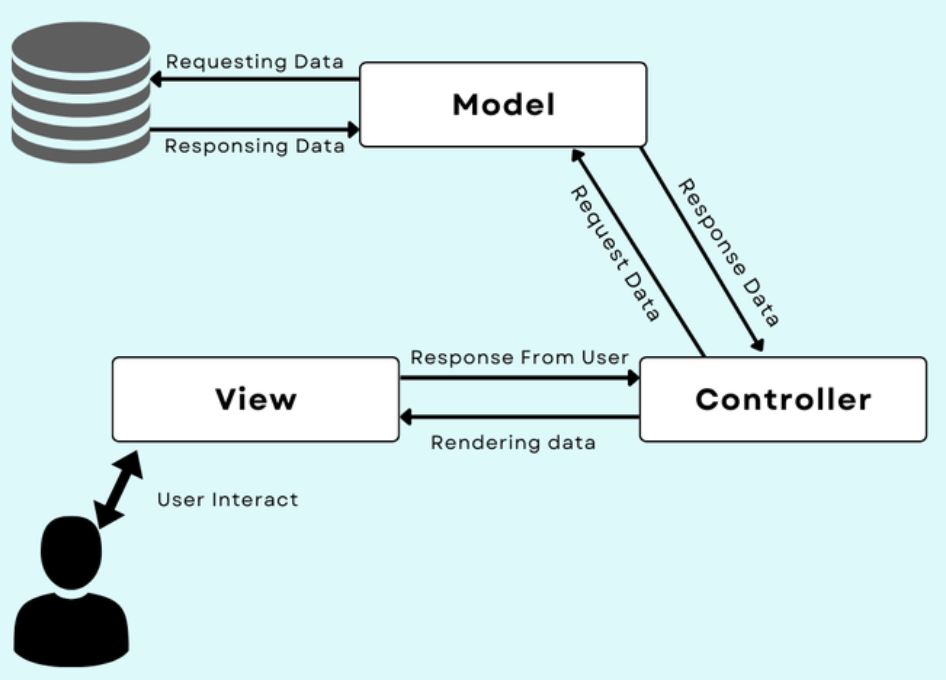
⚔️ Laravel vs Odoo (Quick Visual)
- Laravel → A framework to build your own ERP
- Odoo → A ready ERP platform you customize
📊 Side-by-Side Comparison
| Feature | Laravel | Odoo |
|---|---|---|
| Type | Framework | Full ERP |
| Language | PHP | Python |
| Speed to build ERP | Slow ⏳ | Fast ⚡ |
| Built-in modules | ❌ None | ✅ CRM, HR, Inventory |
| Customization | Unlimited | Structured |
| Learning curve | Medium | Medium |
| Best for | Custom apps | Business systems |
🏗️ Architecture Thinking
🔹 Laravel Approach (Build Everything)

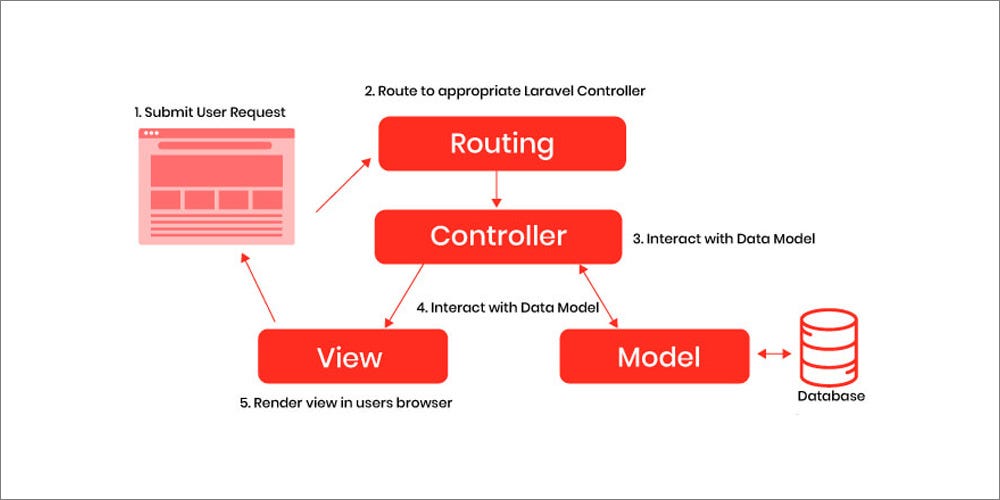
You build:
- Models
- Controllers
- Authentication
- Roles & permissions
- Entire ERP logic
👉 Full control, but time-consuming
🔹 Odoo Approach (Customize Existing System)
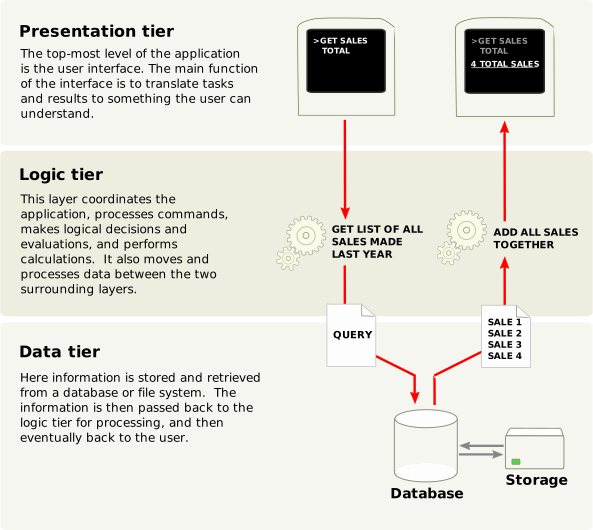

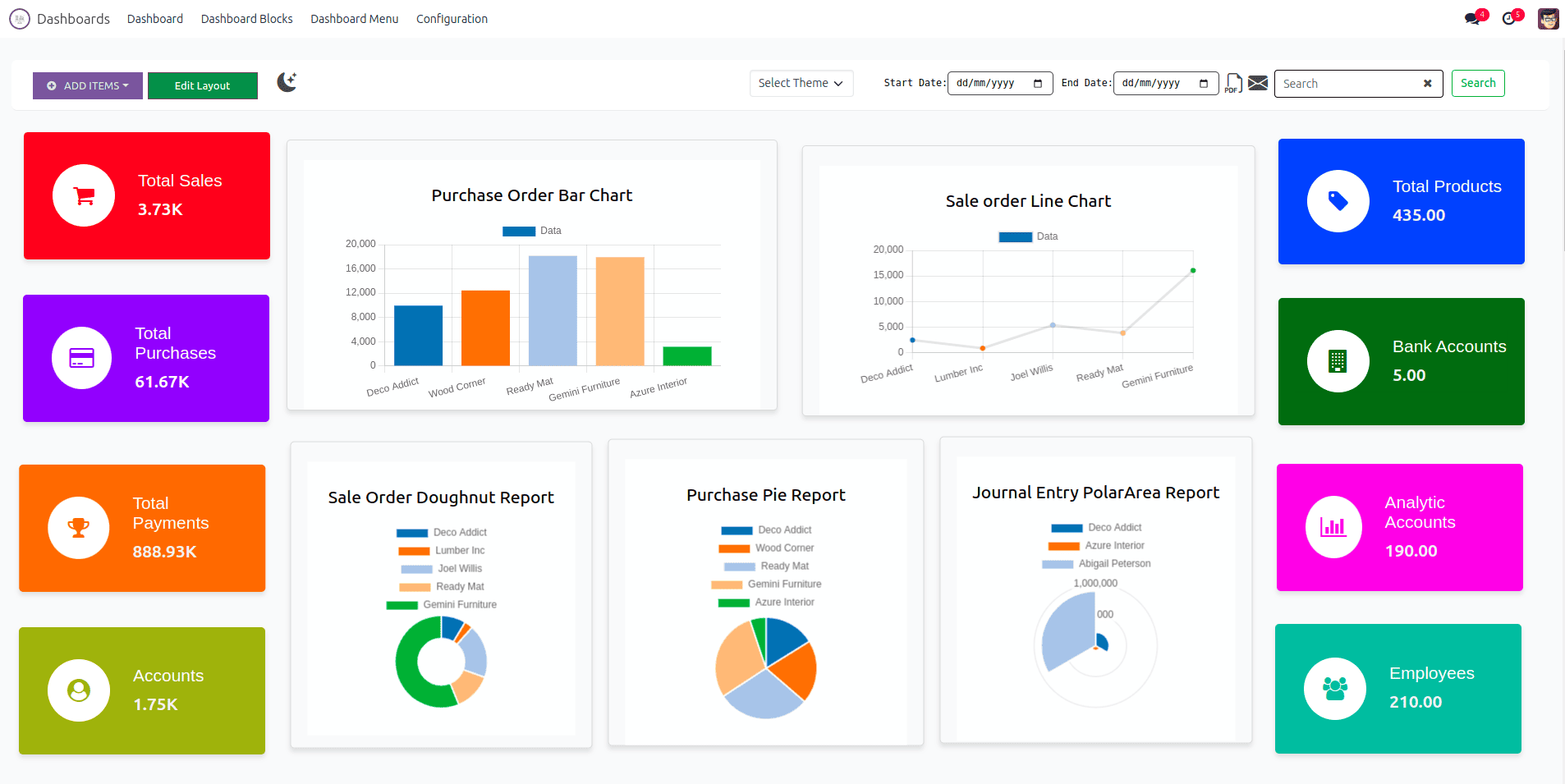
You reuse:
- CRM
- Sales
- Inventory
- Accounting
👉 Just extend with custom modules
⚡ Real-World Scenario
🏢 If you are building:
- School system
- HR system
- Inventory ERP
👉 Odoo wins (already built features)
💡 If you want:
- Unique SaaS idea
- Custom platform (not standard ERP)
👉 Laravel wins
🔥 Pros & Cons
✅ Laravel
Pros
- Full flexibility
- Huge ecosystem
- Great for APIs
Cons
- Build everything manually
- No ERP modules
✅ Odoo
Pros
- Ready ERP system
- Fast development
- Business-focused
Cons
- Less flexible than raw framework
- Requires understanding ORM
🎯 Final Decision Guide
Need ERP fast → Odoo
Need custom system → Laravel
Need both → Use Laravel + Odoo API
Need custom system → Laravel
Need both → Use Laravel + Odoo API